

Ionic skins combine softness, stretchability, and ionic conductivity, making them core materials for constructing robotic tactile and flexible sensing interfaces. However, flexibility often means that materials cannot withstand dynamic impact and are highly prone to mechanical failure under high-speed deformation. Endowing ionic skins with impact-stiffening characteristics similar to those of "non-Newtonian fluids" is a key strategy for resolving this contradiction. Most existing impact-stiffening materials rely heavily on colloidal assembly or high-entropy-penalty dynamic bonds (such as highly directional B–O bonds, salt-bridge hydrogen bonds, and coordination bonds). In contrast, conventional ionic skins contain abundant non-directional (i.e., low-entropy-penalty) ionic bonds that are highly insensitive to strain rate, so they generally lack a pronounced impact-stiffening response.
The Sun Shengtong–Wu Peiyi team at the College of Chemistry and Chemical Engineering has long been devoted to fundamental research on smart flexible protective materials. Using polymer dynamic phase separation and viscoelastic regulation strategies, the team has successively developed strain-stiffening (Nat. Commun. 2021, 12, 4082; 2022, 13, 4411; 2026, 17, 9645; Adv. Mater. 2024, 36, 2408826), thermally stiffening (Angew. Chem. Int. Ed. 2022, 61, e202204960; 2025, 64, e202518064; Natl. Sci. Rev. 2025, 12, nwaf072), and impact-stiffening (J. Am. Chem. Soc. 2024, 146, 7533) flexible protective materials that resist ultimate stress failure, as well as self-conforming (Nat. Commun. 2024, 15, 885; 2025, 16, 11510; Adv. Mater. 2026, 38, e73701), high-damping (Adv. Mater. 2023, 35, 2209581), and self-lubricating (Adv. Mater. 2024, 36, 2411273) flexible protective materials that resist fatigue stress failure. These works break through the inherent bottleneck of mutual constraint between flexibility and protective performance in conventional materials, providing a new structural design paradigm for developing high-performance smart flexible protective materials.
To address the inherently poor impact-stiffening response of ionic skins, the team recently sought a solution from the perspective of polymer topological conformation. They observed that when two male elk fight, their interlocking antlers form a stable topological self-locking structure through complex geometric entanglement. Inspired by this macroscopic natural phenomenon, the research team conceived a bold idea: could a similar self-locking mechanism be "scaled down" to the molecular level? To this end, using hyperbranched polyethylenimine (HPEI) as the backbone, the team successfully prepared a HPEI-Q-TFSI hyperbranched poly(ionic liquid) through quaternization and anion exchange. Without relying at all on high-entropy-penalty dynamic bonds or the colloidal shear-thickening effect, this material achieves a shear modulus switch from 12 kPa at low rate (0.1 Hz) to 70.3 MPa at high rate (100 Hz), with an impact-stiffening factor as high as 5858, far exceeding reported materials of the same class.
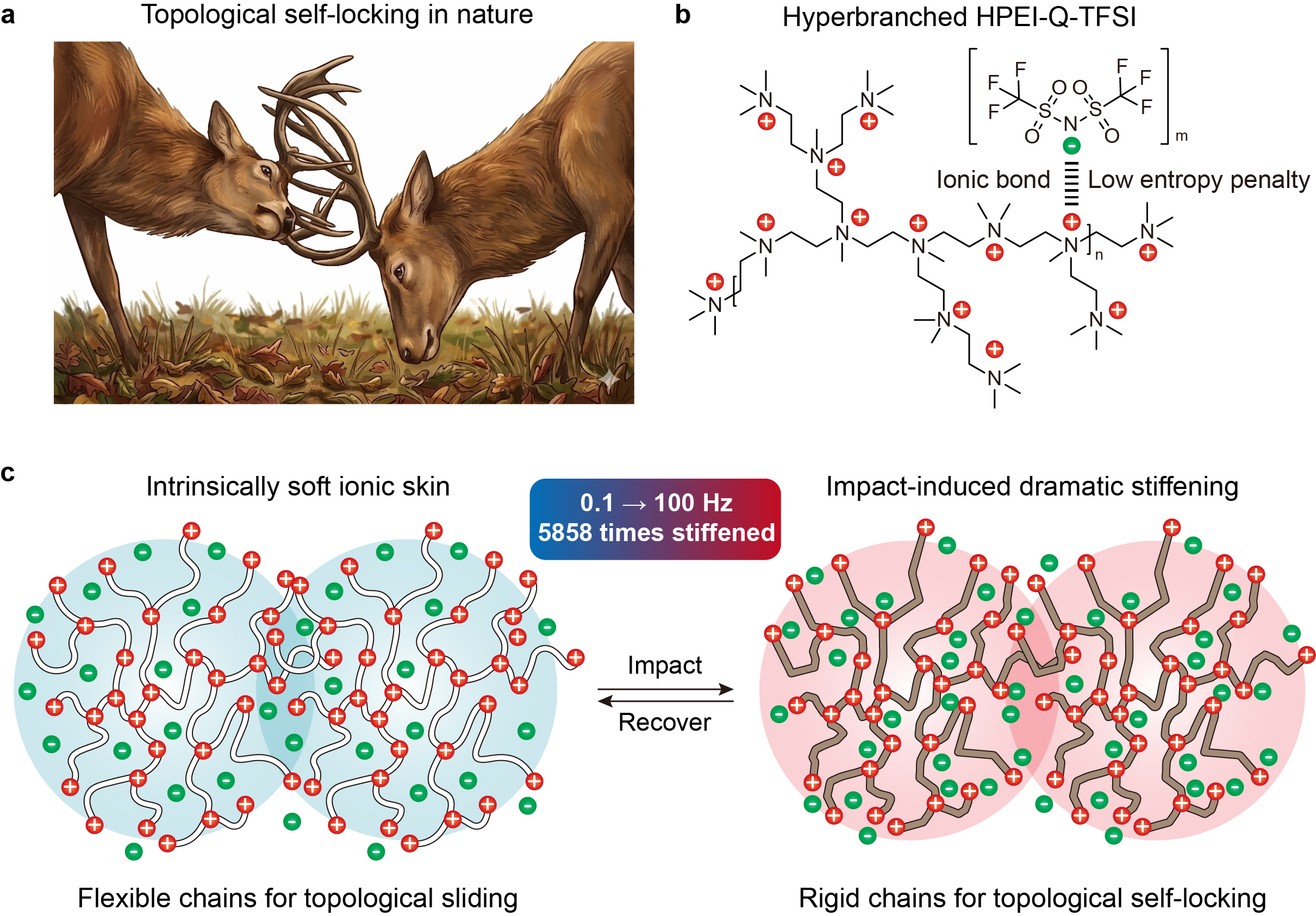
Figure 1. Topological interlocking of hyperbranched poly(ionic liquid)s constructs impact-stiffening ionic skins.
The study found that the impact-stiffening response of this hyperbranched poly(ionic liquid) depends strongly on molecular size. By precisely tuning the molecular weight of the HPEI raw material, the material can be continuously switched from a viscous flow state to a glassy state as the molecular size gradually increases. When the HPEI molecular weight is 800 g mol⁻¹, the resulting ionic skin exhibits the most pronounced impact-stiffening response, with a characteristic switching frequency of approximately 10 Hz.
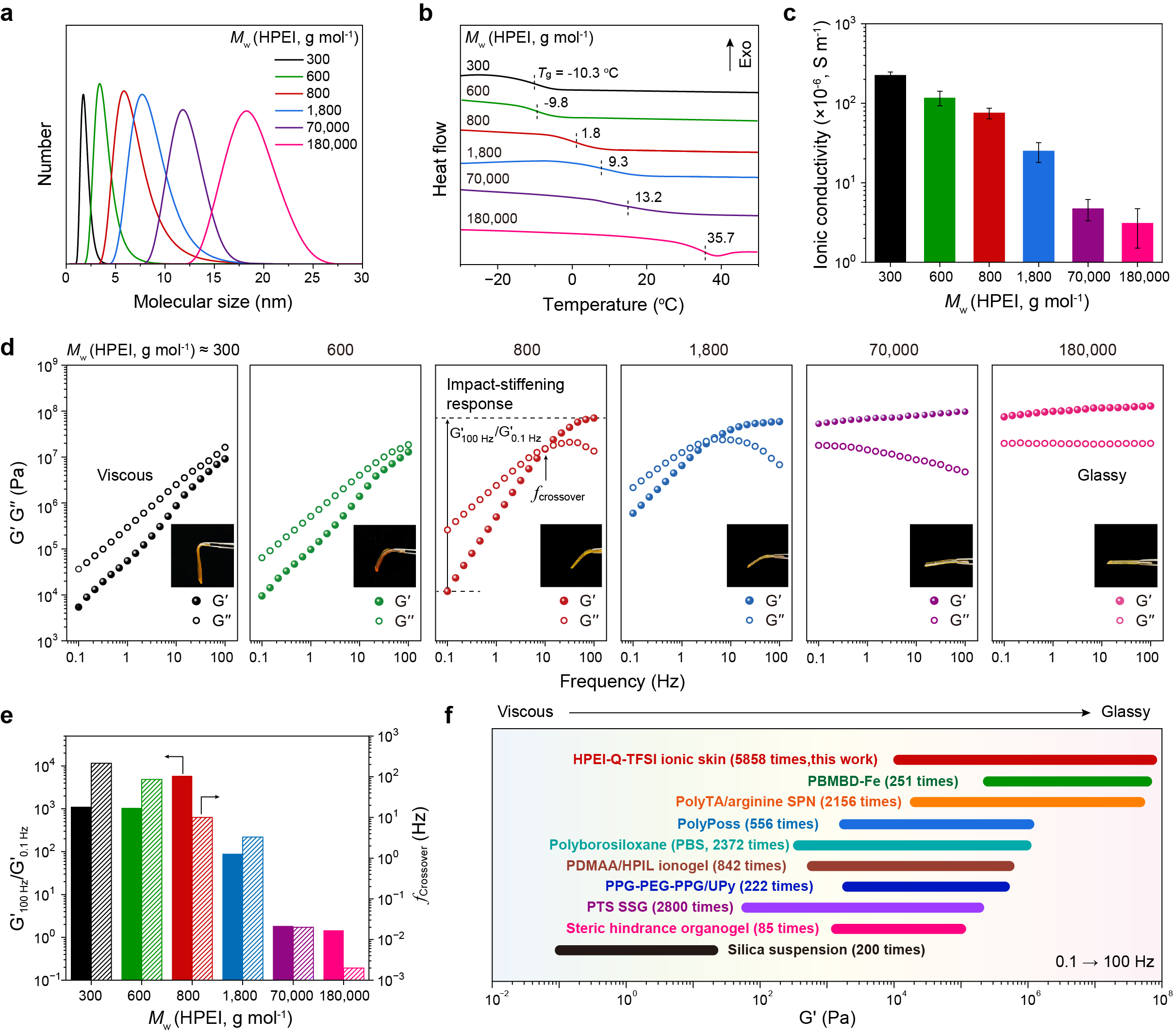
Figure 2. Optimization of the impact-stiffening performance of hyperbranched poly(ionic liquid)s.
The optimized ionic skin exhibits slow cold-flow behavior at room temperature and can dynamically conform to objects of arbitrary complex shapes. Its rheological relaxation spectrum shows a single Maxwell relaxation peak, indicating that the impact-stiffening behavior of the material is governed by a single glass transition process. Furthermore, to verify the decisive role of the "hyperbranched topological conformation," the team synthesized two linear control samples (a linear PEI-Q-TFSI poly(ionic liquid) and a PDMAEA-Q-TFSI ionic liquid gel) and tuned both of their glass transition frequencies to 10 Hz for comparison. The results show that the linear samples lacking topologically interlocked structures have impact-stiffening factors of only 68 and 109, far lower than the 5858 of the hyperbranched sample, fully demonstrating the key role of the topological self-locking mechanism.
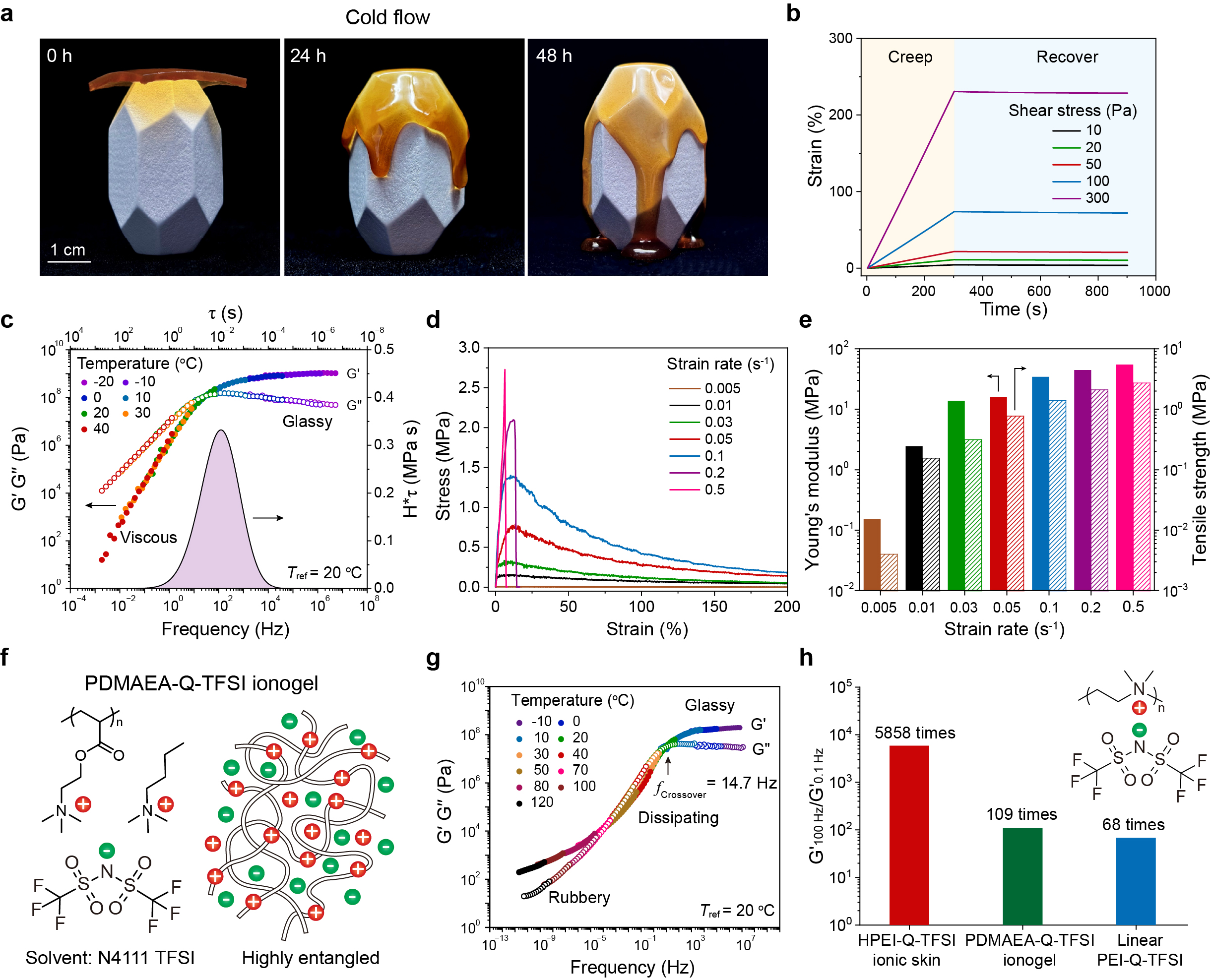
Figure 3. Strain-rate responsiveness of the impact-stiffening ionic skin and linear control samples.
Further mechanistic studies show that the material exhibits a typical shear-thinning effect, so its stiffening behavior cannot be explained by the conventional non-Newtonian-fluid "particulate jamming" mechanism. SAXS–WAXS measurements indicate that although no obvious phase-separated structural change occurs during the glass transition, the material exhibits clear structural interlocking features. Combining low-field NMR and two-dimensional correlation spectroscopy analyses, the researchers found that the hyperbranched molecule possesses a three-layer core–shell structure with markedly different mobilities, causing the topological interlocking responsible for impact stiffening to occur mainly during the glass transition of the outermost molecular chains.
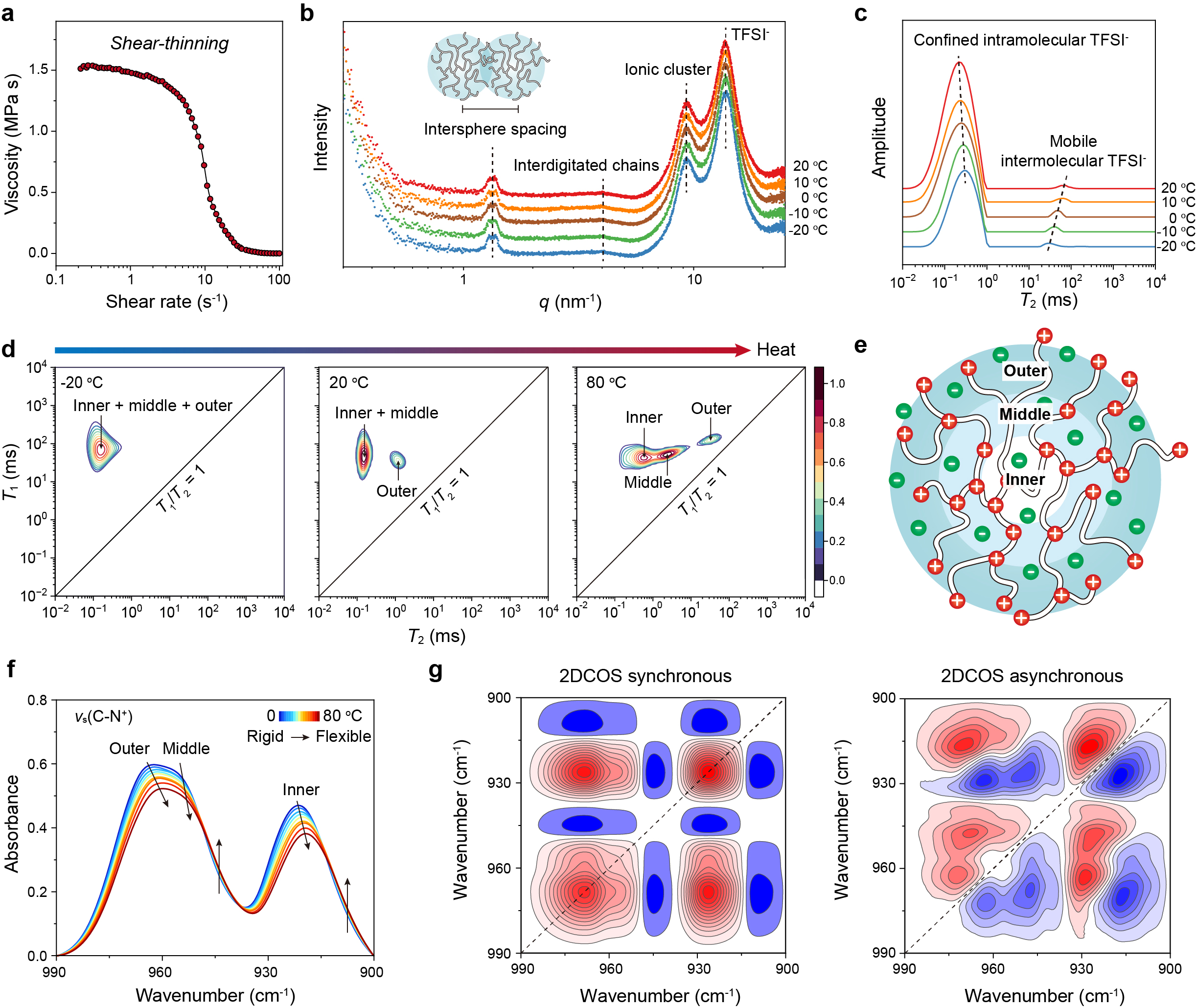
Figure 4. Analysis of the stiffening mechanism of the impact-stiffening ionic skin.
Finally, the research team comprehensively tested the practical protection and sensing performance of the ionic skin. The material exhibits a stiffening-damping effect superior to that of traditional silicone putty (polyborosiloxane) and possesses extremely strong energy absorption capability under ultrahigh-speed impact. Molded into a cone, the ionic skin can even easily smash open a hard coconut shell; a glass slide coated with the skin also remains intact after free-falling from a height of 1.4 m. Based on the triboelectric effect, the ionic skin can simultaneously provide impact protection and monitor the magnitude of impact force in real time and with high precision through the induced voltage, offering a new solution for next-generation smart wearable protective gear and flexible protective equipment.
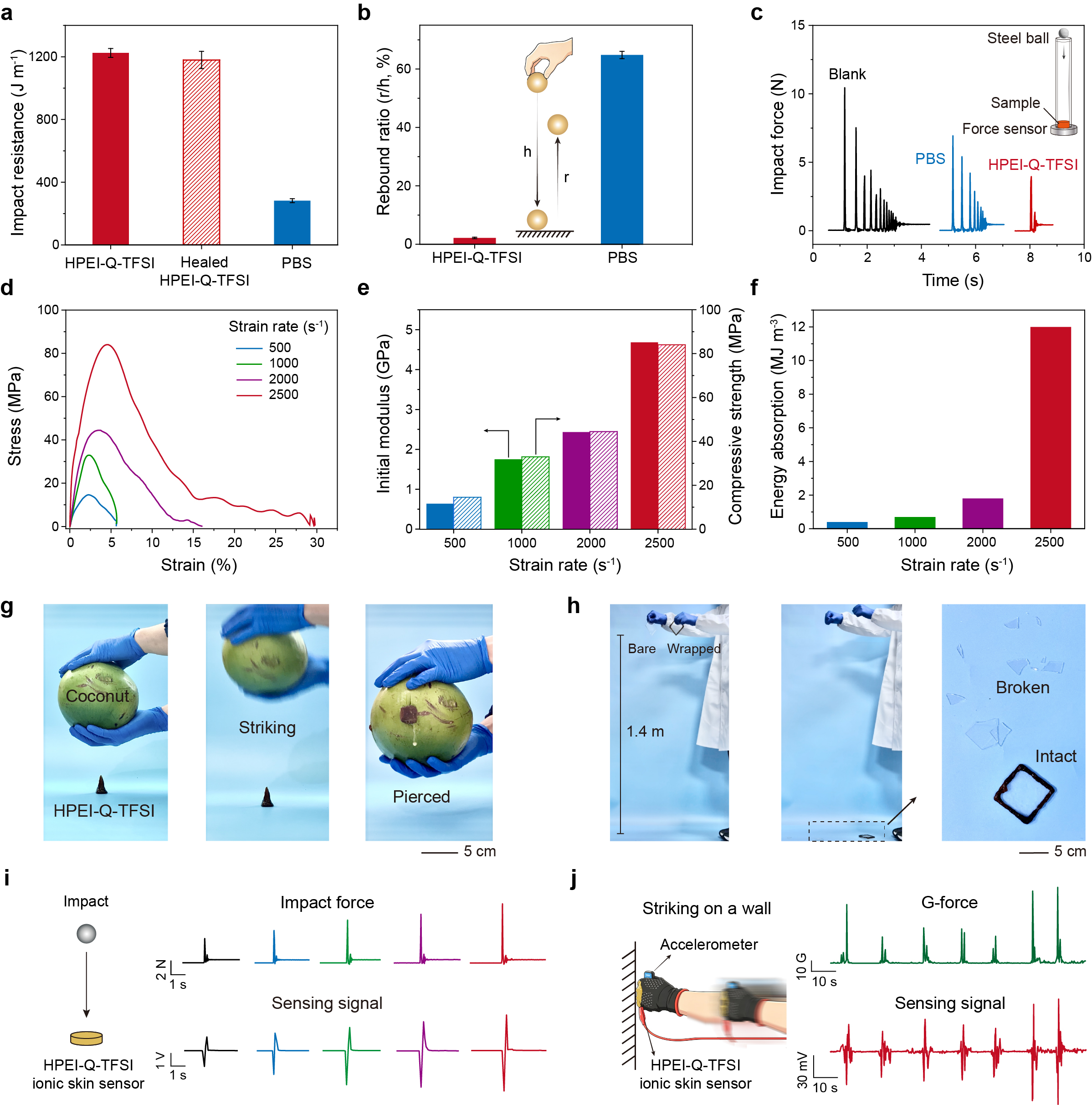
Figure 5. Sensing and protective capabilities of the impact-stiffening ionic skin.
The above results, entitled "Topological Self-Locking of Hyperbranched Poly(ionic liquid)s for Impact-Stiffening Ionic Skins", were published in the Journal of the American Chemical Society (DOI: 10.1021/jacs.6c15094). Xuanqi Chen, a master's student at the College of Chemistry and Chemical Engineering, is the first author of the paper, and Researcher Shengtong Sun and Professor Peiyi Wu are the co-corresponding authors.
This work was supported by the National Natural Science Foundation of China (Excellent Young Scientists Fund, Youth Science Fund Project (Category B), Key Program, and General Program), and the authors thank Dr. Baohu Wu of the Jülich Centre for Neutron Science (JCNS), Germany, for his valuable help with the SAXS–WAXS analysis.
Paper link: https://doi.org/10.1021/jacs.6c15094