

Fiber-based triboelectric sensors have garnered significant attention in smart wearable electronics due to their ability to convert mechanical energy from motion into electrical signals. However, the sensitivity of these sensors is limited by the polarity of their constituent fibers. Research indicates that structural design and material modification can enhance fiber polarity. Among material modification approaches, incorporating fluorine-containing functional fillers proves to be the most straightforward method to improve the output performance of triboelectric sensors, thereby enhancing sensitivity. Concurrently, these sensors are susceptible to sweat exposure during use, leading to bacterial proliferation on sensor surface and compromised functionality. Thus, while improving sensitivity, it is equally critical to endow the sensors with antibacterial properties.
Recently, the research team led by Zhu Meifang and Cao Ran at DHU successfully incorporated hydrogen-bonded organic framework material (HOF-101-F) into polyvinylidene fluoride (PVDF) to construct PVDF/HOF composite nanofiber membranes through solution blending and fiber formation-precipitation methods. Based on this innovation, the team developed a breathable, antibacterial, and highly sensitive fiber-based triboelectric sensor (BATS) that demonstrates remarkable improvements in both output performance and antibacterial properties (Fig. 1).
The related research findings have been published in Nano Energy under the title “Breathable, Antibacterial, and Highly Sensitive Tribo-Sensors using HOF Embedded Nanofibers for Movements Monitoring and Injury Prevention."
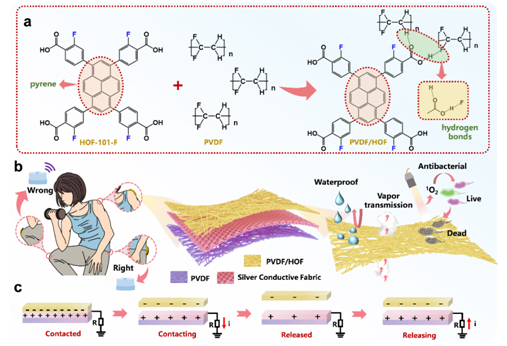
Fig. 1. Schematic illustration of BATS fabrication and its application in sports injury prevention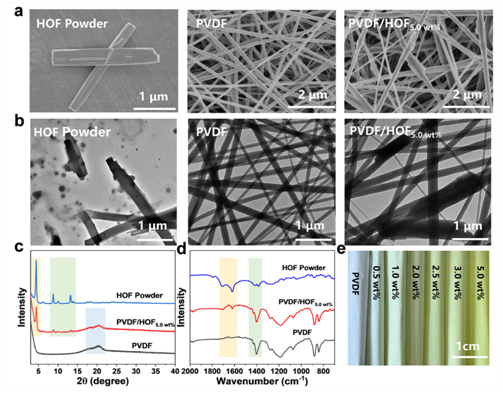
Fig. 2. Morphological and structural characterization of PVDF/HOF composite nanofibers
The co-dissolution capability of PVDF and HOF-101-F in DMF enables precipitation and embedding of HOF-101-F nanocrystals during coaxial electrospinning, resulting in PVDF/HOF composite nanofiber membranes loaded with HOF-101-F nanocrystals.
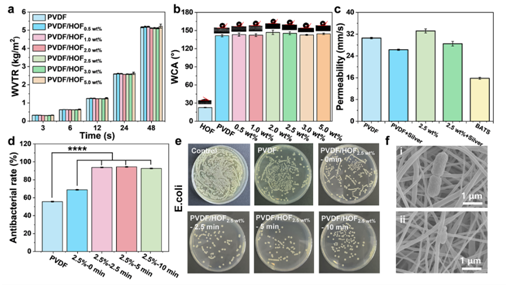
Fig. 3. Breathable, waterproof, and antibacterial properties of PVDF/HOF composite nanofibers
The resulting PVDF/HOF composite nanofiber membranes exhibit excellent waterproofing, moderate breathability, and demonstrate over 90% antibacterial efficacy against E. coli, effectively inducing morphological shrinkage on the bacterial surface.
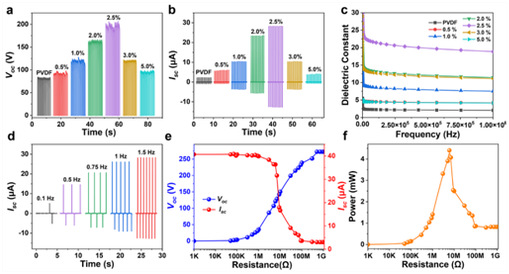
Fig. 4. Electrical output performance of BATS
The incorporation of HOF-101-F in PVDF/HOF composite nanofibers enhances the output performance of BATS by approximately 250% compared to pure PVDF, achieving a peak power output of 4.41 mW.
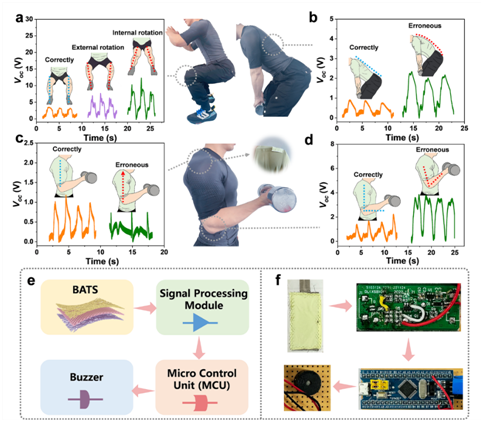
Fig. 5. Application of BATS in sports injury prevention and schematic of its logic circuit
Integrated into sportswear and positioned at movement areas such as joints and the back, BATS enables real-time monitoring of exercise postures by detecting differences in electrical signals generated by correct versus incorrect movements. By connecting these electrical signals to signal-processing logic circuits, the system achieves real-time alerts for improper exercise postures.
In summary, this research has significant application potential in the field of sports injury monitoring.