

In recent years, frequent oil spill accidents have posed threats to marine ecosystems and human health. Conventional cleanup methods for oil spills such as chemical dispersants, in-situ burning, and mechanical recovery, face challenges like secondary pollution and low efficiency. Therefore, developing efficient, eco-friendly, and reusable oil-absorbing materials has become an important research direction.
Recently, the teams led by Professor Li Faxue and Professor Zhang Ruiyun from the College of Textiles at DHU, inspired by the microstructure of Salviniacucullata, constructed HMDS-SiO2 modification of the carbonized electrostatic flocking fabrics, HC-CEFF, using electrostatic flocking technology. Benefiting from the efficient photothermal and electrothermal conversion effects, the textile-based absorber facilitates heavy oil absorption. The research findings, titled “Bioinspired Design of Textile-based Absorbers: Photothermal and Electrothermal Synergistic Conversion for Efficient Clean-Up of Heavy Oil,” were published in Advanced Fiber Materials.
The core of this design comprises two parts: first, the vertically aligned, high-density carbon fibers possess rough hydrophobic surfaces and low tortuosity, which help reduce oil diffusion resistance and, with strong capillary forces, facilitate the rapid adsorption of heavy oil. Second, because of their excellent light absorption and electrical conductivity, the carbonized cotton fabric and vertically aligned carbon fibers achieve outstanding photothermal conversion and joule heating performance (Figure 1).
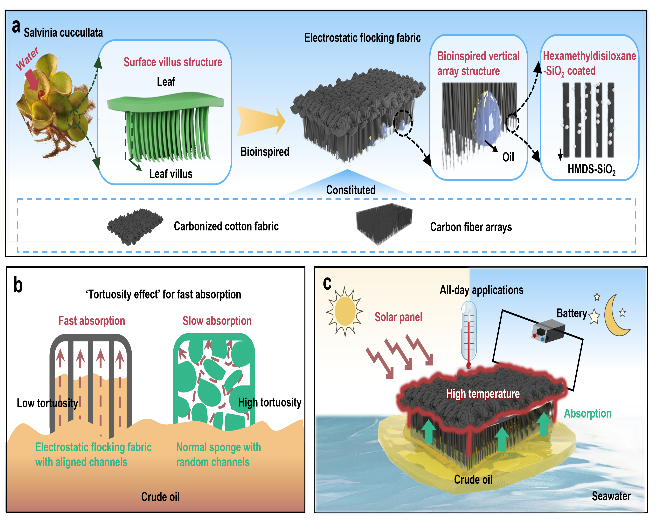
Fig. 1 Schematic diagram of the solar-heated and joule-heated HC-CEFF absorber for heavy oil absorption
Under the influence of an electrostatic field, carbon fibers were vertically aligned on a carbonized cotton fabric substrate (Fig. 2). Numerous open and well-aligned pores were formed between the carbonized cotton fabric and the carbon fibers. The low tortuosity of the HC-CEFF absorber enhances the capillary effect, reduces flow resistance, and improves rapid oil absorption capability.
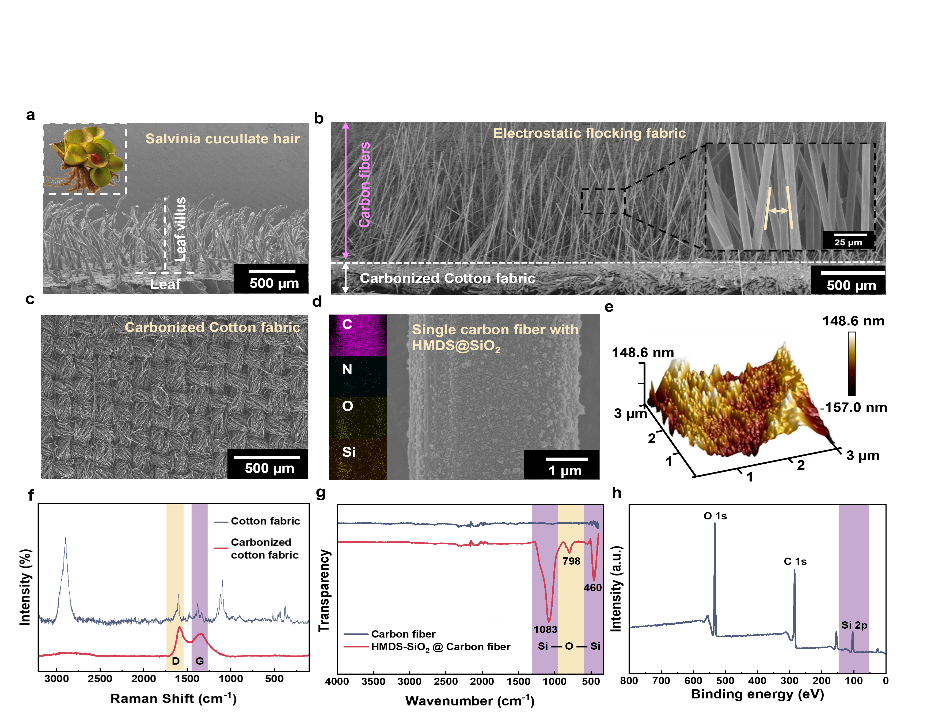
Fig. 2 Morphological and chemical structural characterization of the HC-CEFF absorber
The HC-CEFF absorber exhibits excellent hydrophobicity and lipophilicity. In particular, HC-CEFF@C3 (with a carbon fiber flocking length of 3 mm) showed the highest absorption rates for all organic solvents tested (dichloromethane: 14.59 g g⁻¹, diesel: 10.36 g g⁻¹, chloroform: 16.17 g g⁻¹, gasoline: 14.36 g g⁻¹, silicone oil: 16.32 g g⁻¹).
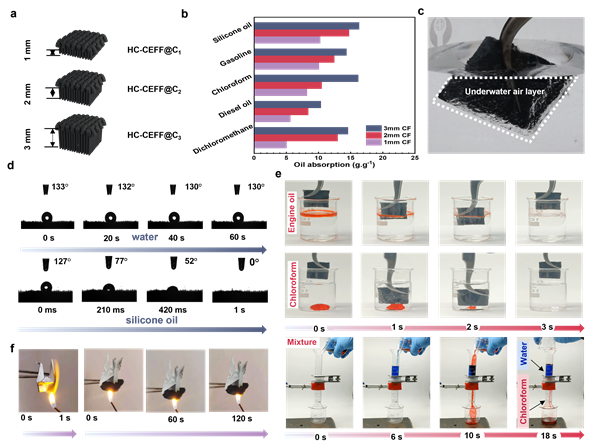
Fig. 3 Wettability and oil absorption capacity of the HC-CEFF absorber
The photothermal and electrothermal performance of HC-CEFF was evaluated by measuring its temperature variation under different light intensities and voltages. HC-CEFF@C3 possesses a broad-band solar absorption rate of 95%. Under a sunlight intensity of 1 kW m⁻², HC-CEFF reached 91.0 °C within 120 s. Under 5 V voltage, the temperature of HC-CEFF@C3 gradually increased and remained stable, reaching a maximum value of 98.0 °C (Fig. 4).
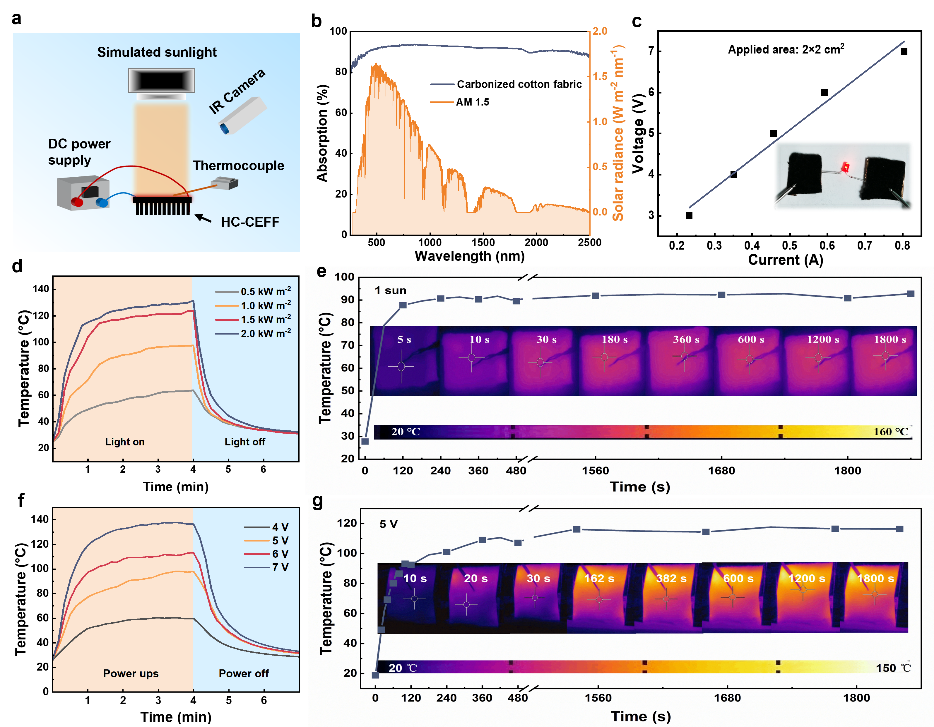
Fig. 4 Photothermal and electrothermal performance data of the HC-CEFF absorber
Finally, the heavy oil adsorption performance of the HC-CEFF absorber was investigated. Under 1 kW m⁻² solar irradiation or 5 V voltage, 15.44 g of heavy oil was collected within 1 minute (an absorption rate of 2,647 kg h⁻¹ m⁻²) (Fig. 5).
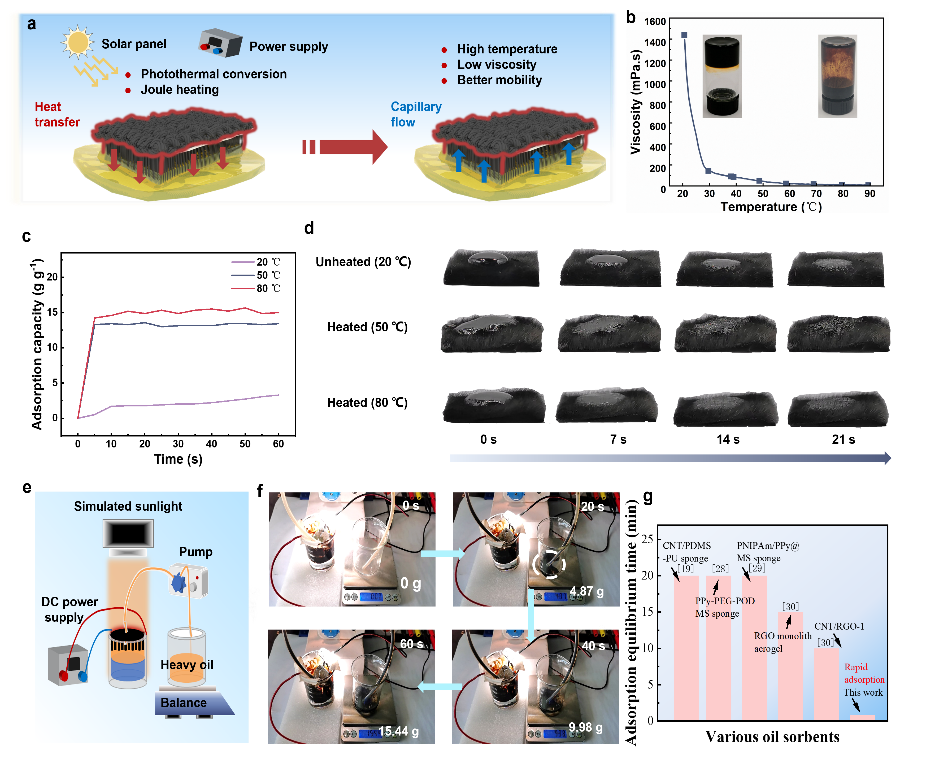
Fig. 5 Heavy oil absorption by the HC-CEFF absorber
The proposed solar-heated and joule-heated textile-based absorbers with aligned channels show great potential for efficient heavy oil absorption.